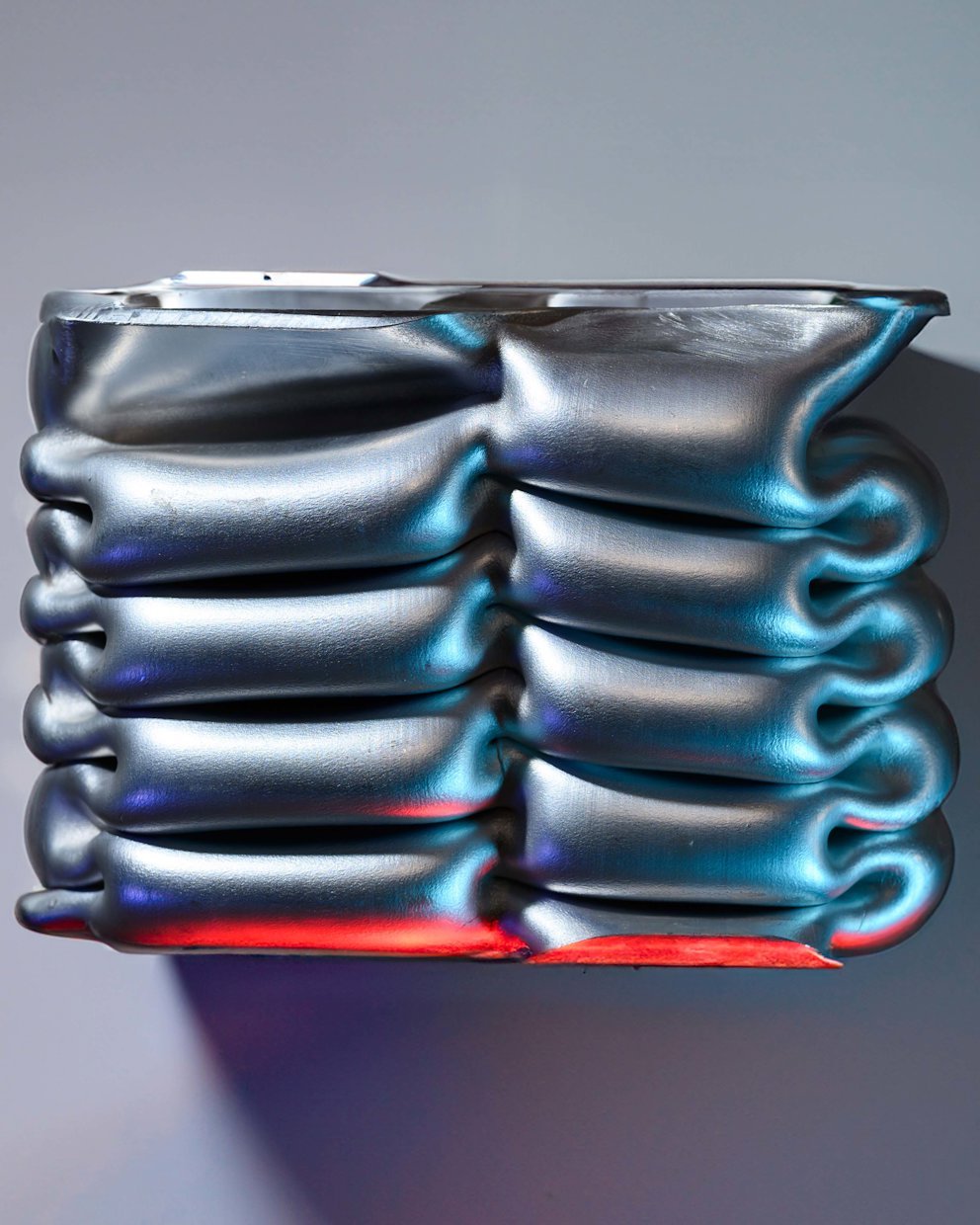
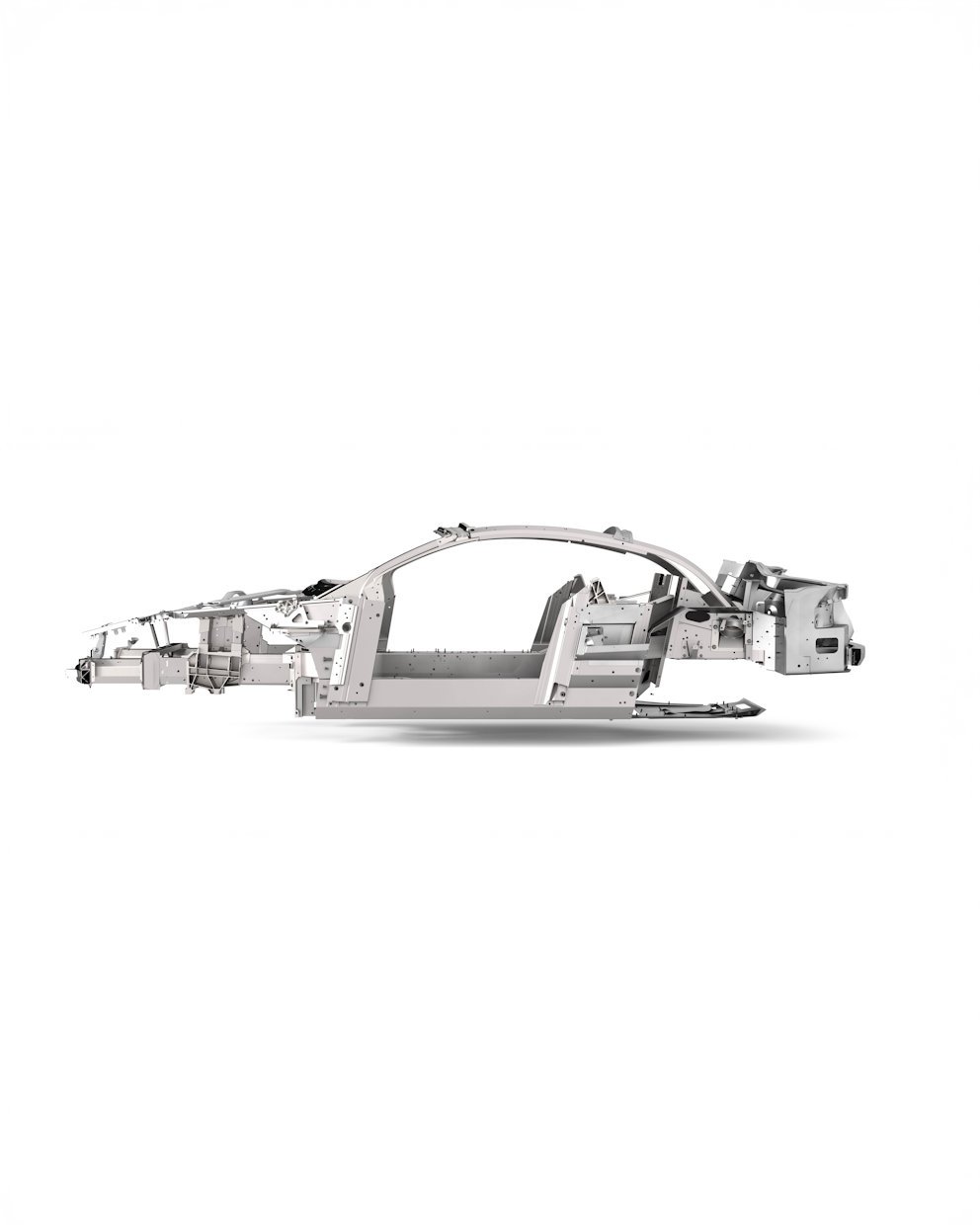
Automakers began choosing aluminium for bumper beams in passenger cars in the 1970s, partly because the metal is far lighter than steel and it would therefore make their cars lighter. Another reason is that aluminium offers excellent energy absorption, that it can deform effectively. The key is utilizing extrusion technology to form the aluminium into cleverly designed and engineered components.
Consequently, aluminium has been used extensively in bumper beams and crash boxes for the past 50 years, for both the front and rear of passenger vehicles. These we call crash management systems, terrific when weight saving and safety are critical requirements.

They work well when cars are involved in collisions, even when those collisions are with heavy trucks. The latter is a bit more challenging, however.
Why trucks need front underrun protection systems
Heavy trucks can weigh 20 times more than passenger vehicles. Sometimes even more. In a collision, no, this is not a fair fight. In a collision, the smaller of the two is probably going to get hurt.
And in addition to the massive weight difference, you have a large difference in height, where trucks sit far higher on the road than cars. They are also shaped differently. In head-on collisions, cars can slide underneath the front of the truck, destroying the windshield and passenger cabin. You can imagine what kind of damage this would incur.

It is no surprise that Volvo – a brand known for safety – pioneered the introduction of front underrun protection systems for trucks. The carmaker did this in 1996, before it became legally required in Europe as a safety measure. It is a component for large trucks that prevents cars from sliding underneath them in a collision. In fact, research has shown that these systems can reduce fatalities in head-on, car-truck collisions by 12 percent.
FUPS are required in Europe and China, but not the USA
Interestingly, despite this research and others like it, front underrun protection systems (FUPS) for heavy trucks are not legally required throughout the world. They are required in China and in Europe, as mentioned, but not in the United States.
The European Union law says that all heavy goods vehicles over 3.5 tonnes need to have a rigid front barrier that is capable of deflecting oncoming cars and absorbing substantial point forces to preserve the passenger cabin. The EU also requires side underride guards, so that people or small cars do not get swept under the rear wheels of a truck during turns or side-impact collisions.
The U.S. National Highway Traffic Safety Administration requires neither. One reason is the difference in the way truck cabs are designed in the U.S. and Europe. They note that European trucks tend to have flat fronts, where the front is perfectly vertical, and where passenger cars would immediately slide beneath the front in a head-on collision. U.S. heavy trucks, in comparison, tend to have a conventionally designed long “nose.”
That said, rear underride systems are required both in the U.S. and Europe. I would like to point out, however, that FUPS are generally more effective than rear systems due to differences in structural stability and geometric design.
Utilizing adaptable aluminium extrusion technology
As with the production of crash management systems for cars, one of the beautiful things about extrusion technology is its adaptability in manufacturing a virtually unlimited number of complex shapes and forms, including multi-hollow cross-sections with varying wall thicknesses – sections where we can put the strength precisely where it is needed.
With front underrun protection systems, for instance, the modular aluminium designs are easily adaptable to truck sizes and can create a crumple zone that enables the crash force from a collision to be spread evenly across the frame of the truck.

Let me add that these systems, both for cars and trucks, continue to develop and improve through continued research. As an example, one of the projects we recently completed came up with a redesigned front and rear crash management system. Several design improvements were introduced, including trigger dents within the crash boxes to adapt force displacement curves.
We also saved more weight, helping fuel efficiency, not least.
In addition, we showed improvements on the material side through the use what we call high-performance crash-grade aluminium alloys. This is key, because again, aluminium absorbs more energy per kilogram than steel, and when we adjust the wall thickness of the crash management component correctly, we can triple its energy absorption capacity.
In this way, we are continuing to make cars and trucks lighter and safer. For all of us.