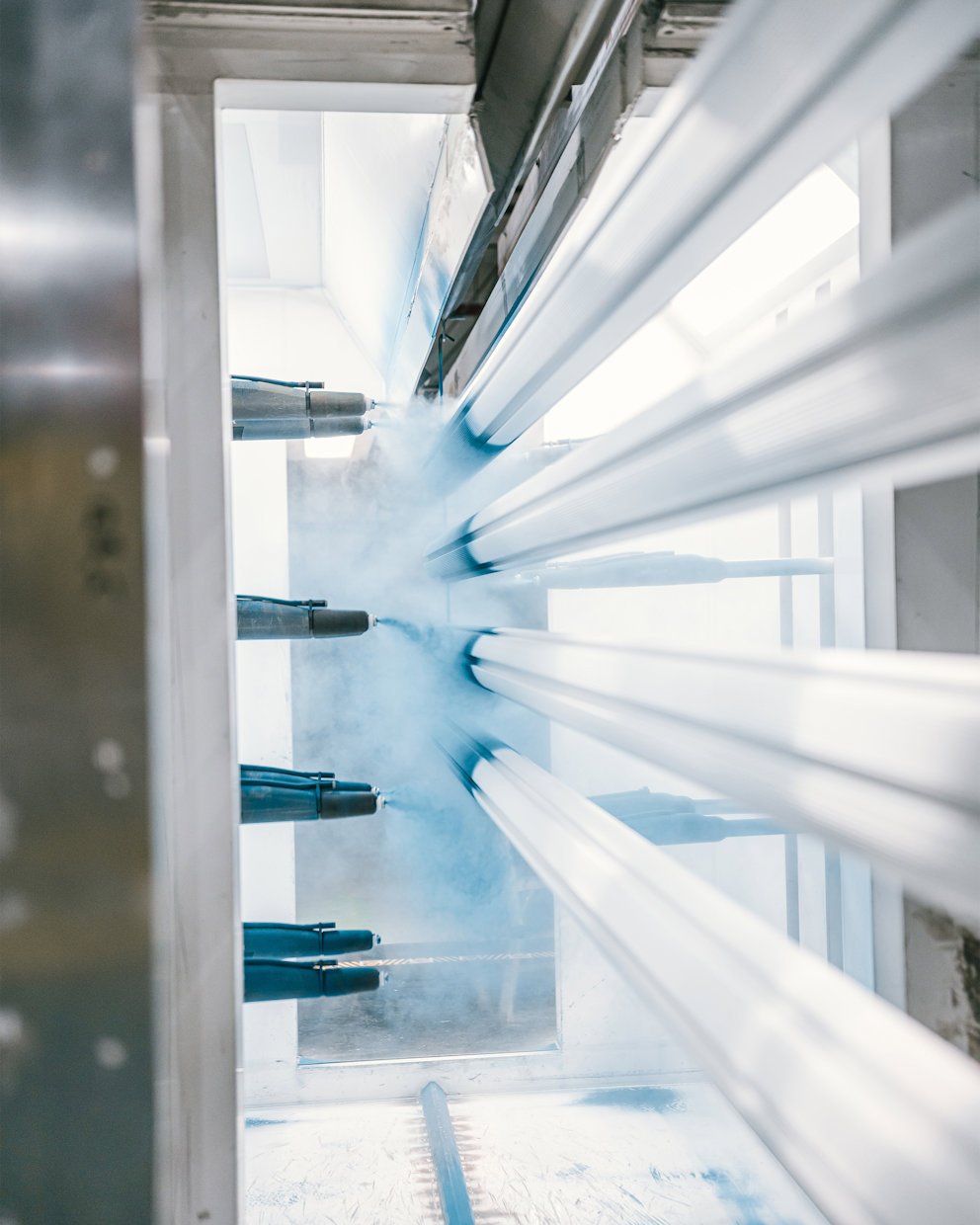
Back in 2024, Hydro invited me to take part in their R100 project, where I was one of five designers who got to design a product made using Hydro CIRCAL 100R, aluminium made entirely from recycled post-consumer scrap. The whole production also had to happen within a 100 km radius.
Usually I have been used to working with standard profiles, choosing whatever was available and adapting my design around it. This time I could design the profile from scratch. It allowed my studio to think from two directions at once, one from the object and one from the profile making.
My plan was to create a furniture system where one cross section, repeated and assembled, would form an entire outdoor chair. Every part would connect to the next through a snap-fit joint, so the profile would do all the work. But as the design developed, we reached the limits of what one profile could handle.

A chair has to be strong and safe, and one cross section simply couldn’t do everything. This led me to a more modular approach using several profiles. But the spirit of the project stayed the same. The traverses under the seat and the armrests share the same profile, for instance, and since the seat is made of modules, its width is easy to adjust.
A system that can grow
Working this way gave me a furniture system that could grow in scale.
With longer or shorter extrusions, the chair can have a high back or a low one, with or without armrests. Change the legs and it becomes a lounge chair. Add more seat modules and you have a bench.

Precision down to a tenth of a millimetre
In Profil, the extruded pieces snap into place with a precision of around 0.1 millimetres. With a snap-fit joint, there is very little room for error.
Working with Hydro’s engineers showed me how much of that accuracy is created after the profile leaves the press. Freshly extruded lengths are still a bit wonky, and each one is stretched to straighten it, like ironing a shirt.
Even so, I had doubts about whether the sizes were right. When I could finally hold the parts and snap them together by hand, I was super happy.
Why aluminium suits outdoor seating
For furniture that lives outside, aluminium is a very good match. It forms a thin protective oxide layer on its surface, so it does not rust. The frame keeps its appearance, and the snap-fit joints stay reliable over time.
I also like the sheen of aluminium and how it reflects the light outdoors. The frame picks up the colours and changes of daylight around it, which gives the furniture a quiet, living quality and helps it feel at home in its surroundings.
Designing with recyclability in mind
To me, designing a furniture system from 100% recycled aluminium comes with a responsibility to use no more material than the object needs. Designing my own profiles made that much easier, since every part of each cross section has a purpose, and sharing profiles across the system keeps it lean.

The aluminium in Profil has already lived a life before this one. When the furniture eventually reaches its end of life, the material can be recycled again and could even return as new modules for the same system.
The furniture industry uses only a small share of the world’s aluminium. If Profil can be a voice for another way of using materials, and share some of the joy of working with aluminium, I would be very happy.