In Scandinavia, the Aalto vase is a familiar object in the living room. But at seven meters tall, it becomes something quite different.
When I approached the pavilion from the other side of the water, it looked almost unreal. Like a real-life 3d-rendering, or something that looked a little bit odd, but beautiful. The aluminium caught the light, glimmering against the waterfront and picks up colors from its surroundings. But then there was the familiar Aalto outline, holding its own against the Helsinki skyline.

The project began in early 2025, as we started planning the 90th anniversary of the Aalto vase in 2026. It is the most iconic design in Iittala’s portfolio, and an important part of Finnish and Scandinavian design history. For its birthday, I wanted to play with scale.
Alvar Aalto was first and foremost an architect, but he also designed objects for the interiors of buildings. He moved comfortably from the scale of a building to something you could hold in your hands. Taking the vase’s familiar outline back into architecture felt like an interesting way to return the favor.
Of course, enlarging a vase brings a few practical questions with it. How could we translate the curve into architectural structure? How would the surface contribute? And how could we make something that would continue to be used after its first event?

Connecting craftsmanship and technology
For me, the Aalto vase brings together inspiration from nature, superior craftmanship, and technology. We recognise the outline immediately. Behind it is all the knowledge needed to make the glass take that form. The creative idea and the skill of the maker belong together.
It was important that we could transfer that relationship to the pavilion too. I had not worked with aluminium before. It brought a more technical and a sort of industrial character to the project, and a new way to explore that connection between an idea and how it is made.
Working with Hydro gave us a way to develop that idea at an architectural scale. The choice of material became closely connected to how the pavilion would be constructed and how it could move between locations.
Building the curve through the profile
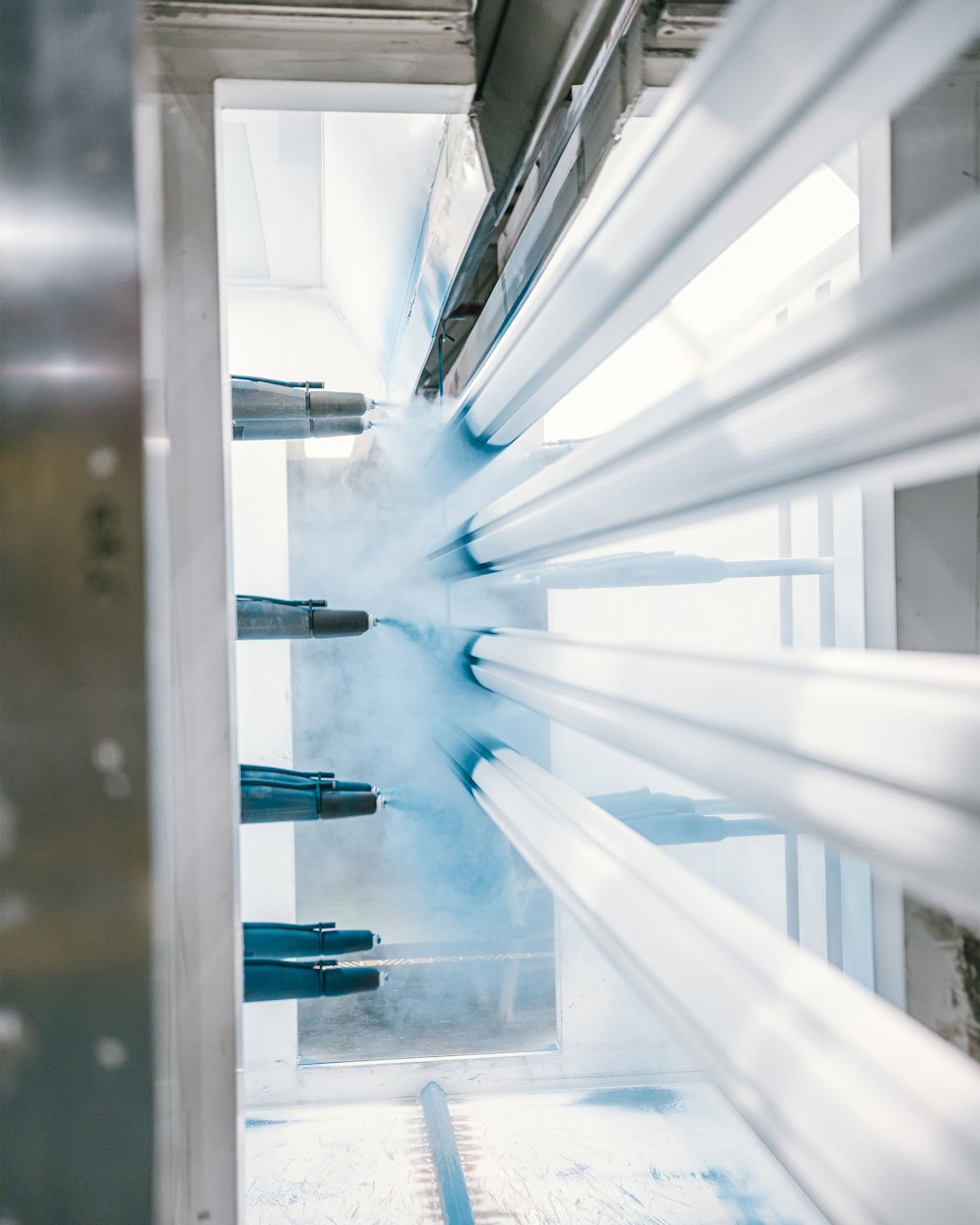
The pavilion is made from extruded aluminium panels, with the joints integrated into the profiles themselves. One panel hooks onto the next. The panel comes with its own way of connecting with its neighbor, built into the profile.
The joint needed to both accommodate the curvature of the Aalto outline, and to allow the structure to be dismantled for transport. The shape and the assembly system had to work together.
There is a pleasing shift in scale here too. From across the water, you see the outline and its shimmering surface. Up close, the story is in the joint: how one panel meets the next, and how those connections make the larger form possible.

Seeing the surroundings in the surface
In Helsinki, we were looking out towards historic buildings as well as buildings associated with design. The aluminium has an anodized finish. At the waterfront, its reflective appearance becomes an important part of how the pavilion is experienced. Water, light and the neighboring buildings all get a part in its appearance, like a semi-opaque mirror.
The material gives the familiar Aalto shape a contemporary expression. It also creates a connection with the place around it, something that can be experienced differently as the pavilion moves to another city.
A pavilion with places to go
From the beginning, it mattered to me that the pavilion could have a life beyond a single event. We worked closely with Hydro on how to make it possible to dismantle, flat-pack and transport the building.
It has already travelled from Copenhagen to Helsinki, and I hope it will reach other cities too. Being able to use it again mattered from the outset. We had to think about the moment it would be packed away as carefully as the moment it would be unveiled.
There is also something appropriate about a travelling pavilion in this context. Aalto travelled internationally and found inspiration beyond Finland. Although Helsinki is home for Iittala, I wanted this celebration of his work to have an international life.
Working with aluminium for the first time has made me curious about where else it could take us. For now, a shape we usually encounter on a table has found its way onto the waterfront. I’m looking forward to seeing where it turns up next.